Our Share of The Pie: Companies Helping Communities

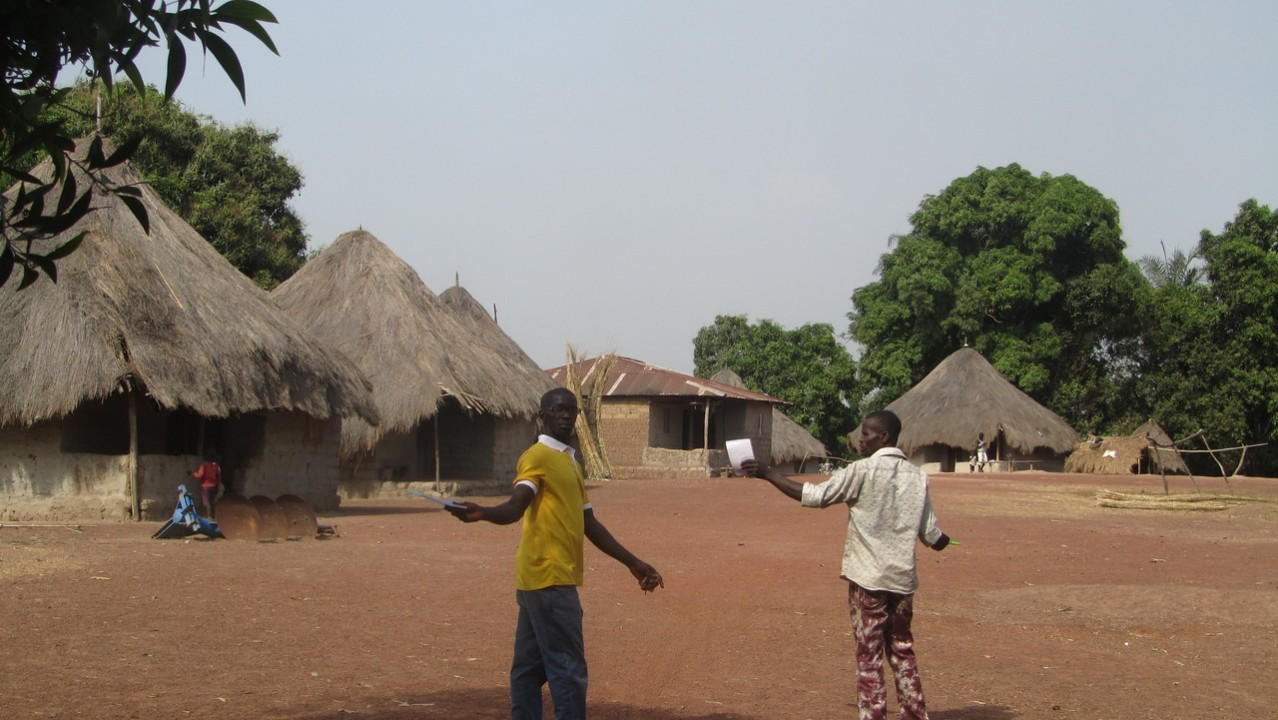
The impact of wealth and income inequality is felt in many parts of the world. It hurts economic growth, creates a fertile environment for criminal behavior, decreases every person’s social mobility, and at worst, leads to a vicious cycle of poverty.
This can most commonly be seen in places where there are almost no available jobs for most members of the community and no accessible youth development opportunities. Often, they tend to be where there is very little government assistance to rely upon.
You notice this when you hear news about children going to school without having eaten anything for the day. Parents who do not even have enough to feed their family more than twice daily. Or families asking their kids to work for a meager salary.
Put in one word, it is ‘poverty.'
You look at the human face of inequality each time you see a poor family toiling just to make ends meet.
Inequality, if left unchecked, eclipses the capacity of a community to contribute to the economy. Simply put, inequality is not only bad for development 一, but is also the bane of sustainability. Inequality highlights the problem of wealth redistribution. It lives in the overwhelming gap between the development and the community.
Fortunately, yes. Corporations can be the leaders of social and environmental change today. More than a business’s inherent obligation to give back to society, it is also a promising investment for their corporate branding. Giving back is good for business.
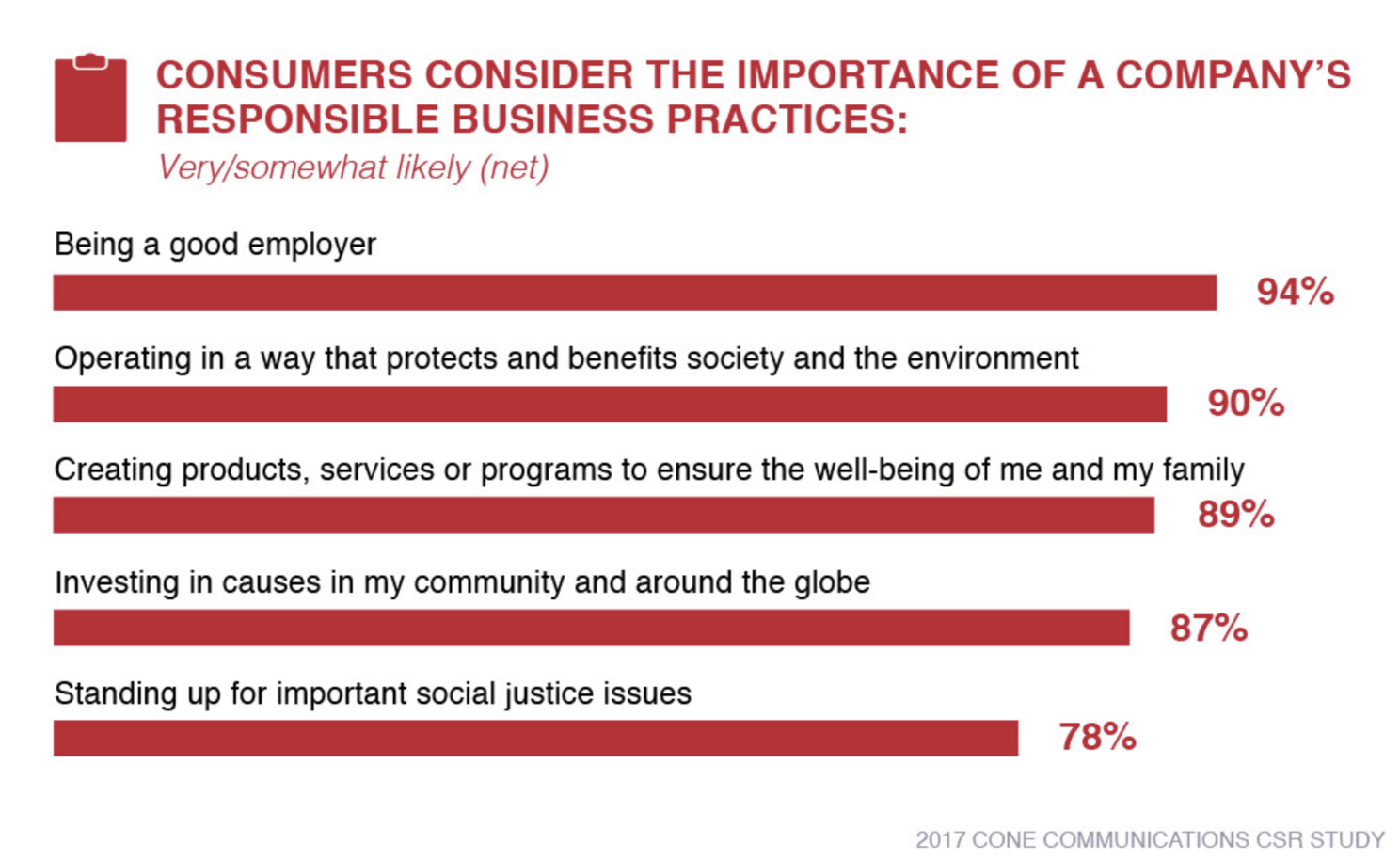
According to a 2017 study published by Cone Communications on corporate social responsibility (CSR), companies are now expected to help address social justice issues. It also found that most, if not all, consumers are willing to buy a product or service based on a company’s advocacy on a particular social issue. Conversely, consumers say they decline to do business with a company that conflicts with their beliefs.
Doing good for the community attracts local support for a brand’s product or service.
Communities will always want to return the favor to every brand that lends them a helping hand. They will not just buy the products, but they will also even market that product for the social good that it creates.
It also separates the business from the rest. Not all enterprises show a heart for the people around them. This comes to your advantage when consumers begin choosing between a product by a company that helps the community versus a company that does not.
It also sets your company’s purpose. Beyond just making a product that satisfies market demand, it gives your company and its employees a deeper purpose to do their work better. They know that doing well does not just mean that their business will flourish. People will work better if they see that it promises something good for the community around them. Imagine how good the employees would feel if they knew that the return of their businesses helped address hunger and malnutrition, literacy rates, job generation, and other things alike.
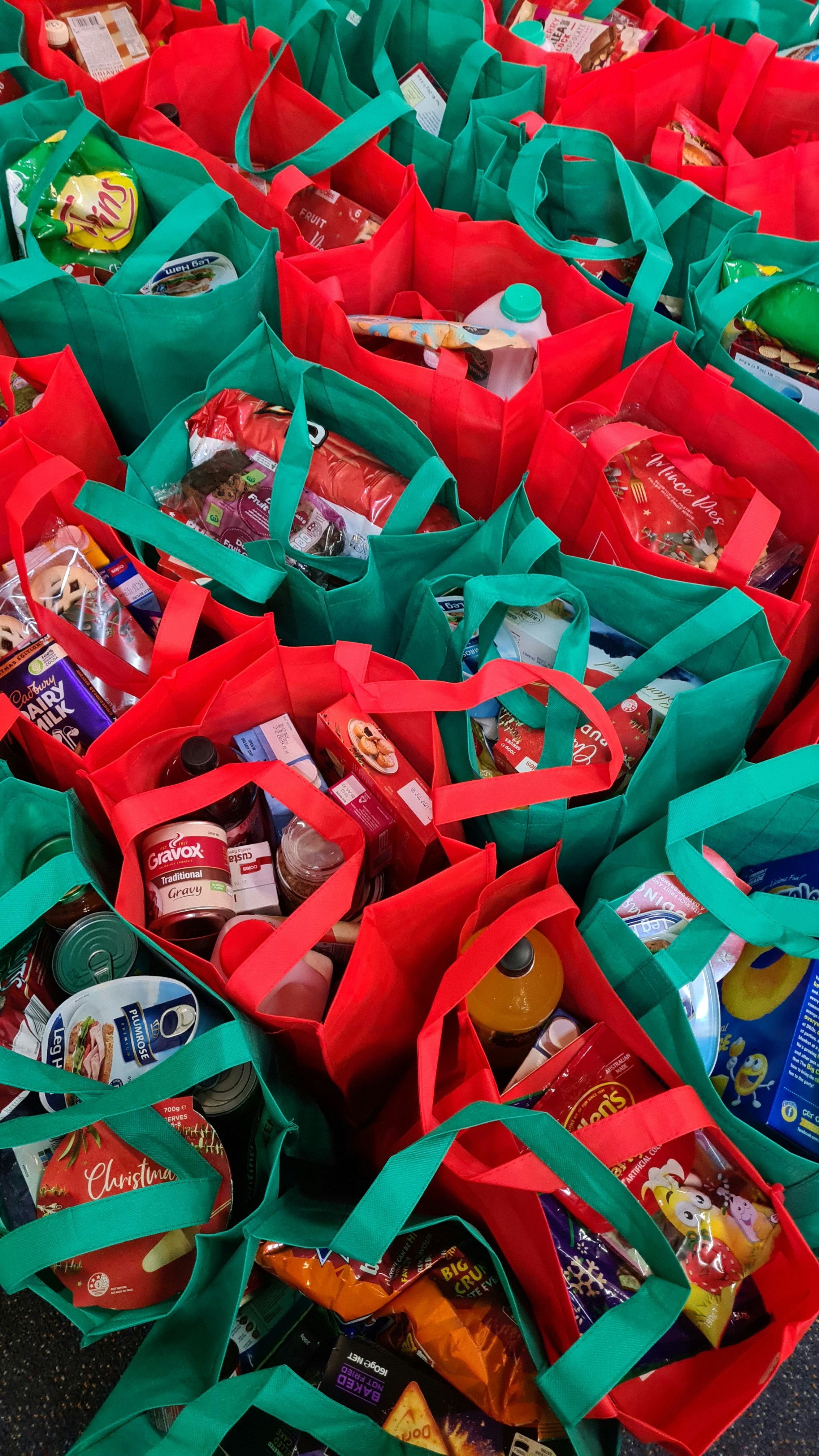
Image Source: Photo by Nico Smit on Unsplash
But perhaps one of the best ways to help is by choosing a nonprofit or non-government organization (NGO) that is already in touch with the communities you intend to help. NGOs are non-profit, community-based organizations that serve specific social purposes. They also play a significant role in international development and community development. Most often, they carry with them certain advocates that could align well with what you need.
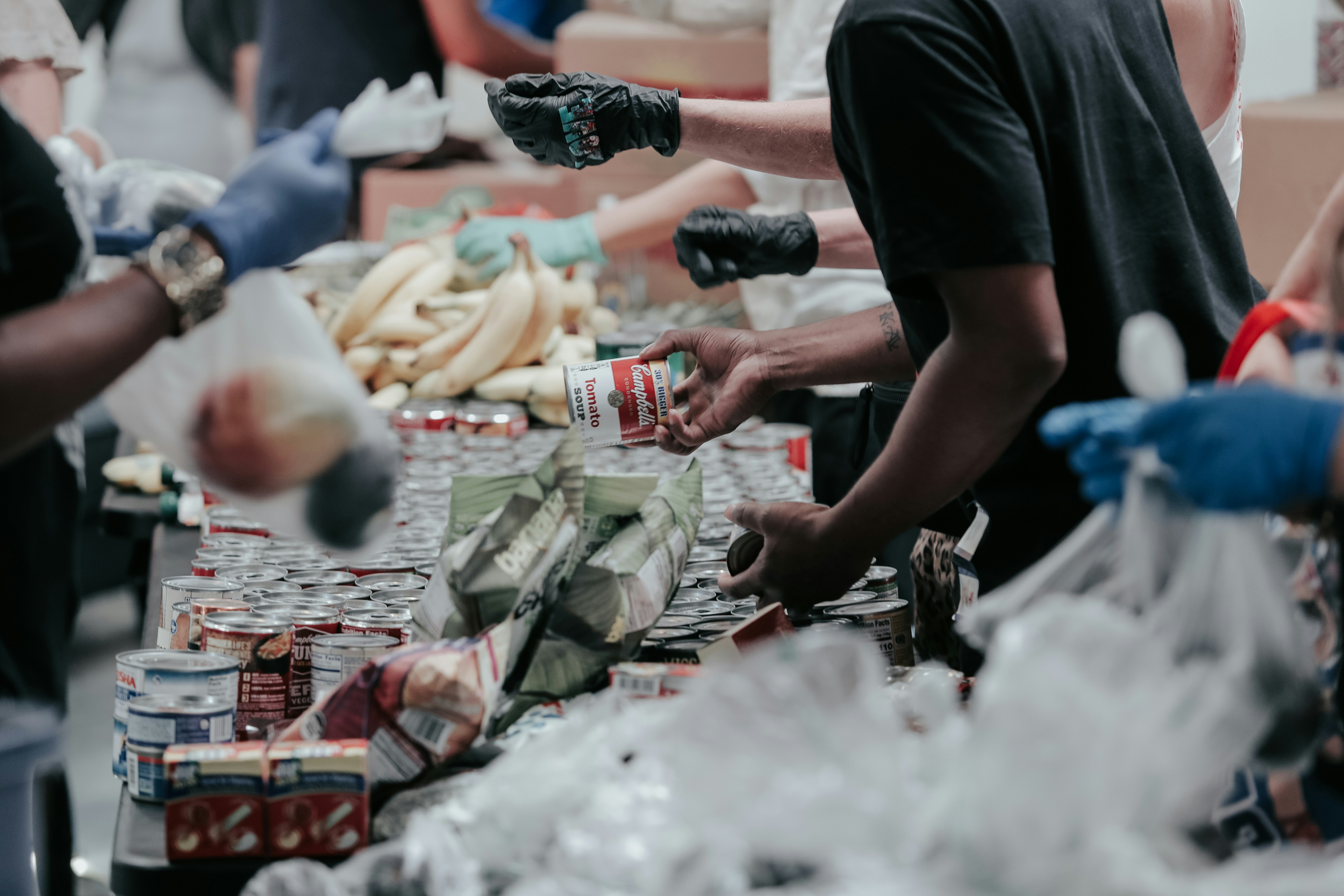
Image Source: Photo by Joel Muniz on Unsplash
The good thing about working with NGOs is that they have already developed a sense of connection with the members of the community they are helping. They already know them well enough to understand what the communities need. They already know the advocacy work well enough to know how to do it effectively and efficiently. This takes a huge load of work off a company’s shoulders.
Channeling your resources to NGOs that perform advocacy aligned with your goal is an excellent way to achieve CSR. This helps you skip the trouble of starting volunteer work from scratch 一 like identifying the kind of assistance to provide, looking for manpower, and ensuring sustainability, among others.
Social problems are bad enough on their own, but a culture where people are encouraged to help each other eases these concerns. Development is not as difficult as it is painted if only each of us took our fair share in improving our communities. It does not just promise financial benefits. It also creates an environment of empathy, a legacy that goes beyond the lifetime of every product 一 a brand name that outlives the product itself.
Interested in making a difference with a nonprofit? Learn more and get started with Develop Africa here.
Follow me on Twitter - @sylrenner https://twitter.com/sylrenner.